Iran War Financial Impact: Six Months In
When the first artillery shells fell six months ago, most of us were watching the news for the human toll, not the ripple effects on our wallets. Yet the reality is that geopolitical turmoil has a way of slipping into the everyday ledger of anyone who earns, saves, or borrows.
In the weeks that followed, oil prices spiked, regional currencies wavered, and investors scrambled for safe havens. For a personal finance reader, the headlines translate into three concrete questions: How will my savings be affected? Will my credit become more expensive? And what should I do with my investment portfolio?
This piece walks through the six most salient financial consequences of the ongoing Iran war, then offers a short checklist you can apply right now.
1. Immediate Market Shock Sends Shockwaves Through Portfolios
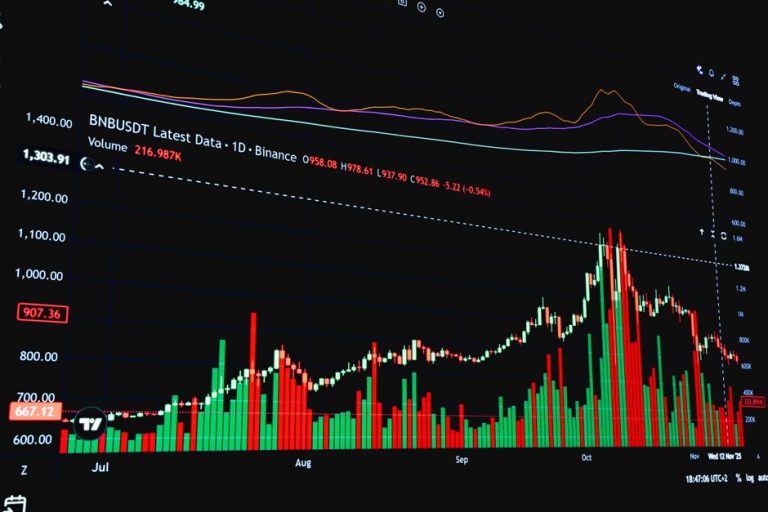
The first consequence was a sudden jolt to global equity markets. When investors hear about a new conflict in a major oil‑producing region, they instinctively move money into defensive assets—government bonds, gold, or cash.
That flight to safety can depress stock prices across sectors that aren’t directly linked to energy, simply because risk appetite contracts. If you own a diversified portfolio, you may have seen a modest dip, even if none of your holdings are tied to the Middle East.
Short, sharp corrections are a fact of life, but the Iran war has added a new layer of volatility. The key for any personal finance strategy is not to panic, but to reassess your risk tolerance. Ask yourself whether you could comfortably endure a 15‑20% swing without selling at the bottom.
What to watch
Look for widening spreads between high‑yield corporate bonds and safer treasuries. Those spreads often foreshadow broader market stress.
2. Currency Turbulence Hits Savings and Remittances
Iran’s own currency, the rial, has been on a steep downward trajectory. While most readers don’t hold rials, the ripple effect reaches any currency that trades alongside it.
Emerging‑market currencies that share trade links with Iran have felt pressure, and that pressure can bleed into the exchange rates you encounter when you travel, send money abroad, or even shop online from overseas sellers.
If you keep a foreign‑currency savings account, now is the time to check the conversion rate. A sudden devaluation can erode the purchasing power of funds you thought were safely parked.
Practical tip
Consider converting a modest portion of your foreign‑currency holdings into a more stable currency—perhaps the U.S. dollar or euro—if you anticipate continued volatility.
3. Rising Inflation and the Erosion of Purchasing Power
War drives up the price of commodities, especially oil and gas. Higher energy costs cascade through transportation, manufacturing, and ultimately the grocery aisle.
For households, the most palpable sign is a higher monthly bill—whether it’s the gasoline pump or the heating bill in winter. Inflation doesn’t just affect the headline CPI; it squeezes discretionary spending, from dining out to streaming subscriptions.
In personal finance terms, inflation risk becomes a central concern. If your savings are parked in a low‑interest savings account, the real return may be negative.
How to counteract
Look for savings vehicles that at least keep pace with inflation: Treasury Inflation‑Protected Securities (TIPS), certain high‑yield savings accounts, or short‑term bond funds that adjust rates more frequently.
4. Supply Chain Disruptions Push Consumer Prices Higher
Beyond energy, the conflict has snarled shipping lanes in the Persian Gulf. Container ships that once breezed through the Strait of Hormuz now face rerouting, longer transit times, and higher insurance premiums.
Those added costs are passed down the line, inflating the price of everything from electronics to apparel. If you’ve been budgeting for a big purchase—say, a new laptop or a home appliance—expect the sticker price to be a few percent higher than it would have been six months ago.
For the credit‑card‑savvy reader, this is a reminder to keep an eye on interest‑free promotional periods. A higher purchase price means a larger balance, which can erode any benefit from a 0% APR offer if you don’t pay it off quickly.
5. Geopolitical Risk Reshapes Investment Strategy
Investors traditionally allocate a slice of their portfolio to “geopolitical risk” assets—defensive stocks, commodities, or even real estate in politically stable regions. The Iran war has amplified the need for that slice.
If your investment strategy leans heavily on emerging‑market equities, you may need to rebalance. Not because you should abandon growth entirely, but because the risk‑adjusted return profile has shifted.
One approach is to tilt toward sectors that benefit from higher oil prices—energy, infrastructure, and certain industrials—while trimming exposure to sectors that are more sensitive to consumer discretionary spending.
Key question
Does your current portfolio reflect an “inflation‑aware” stance? If not, consider adding assets that historically perform well when prices rise.
6. Credit Availability Tightens, Borrowing Costs Rise
Banking institutions monitor geopolitical risk closely because it can affect loan defaults, especially in regions with trade exposure. As uncertainty climbs, lenders often raise interest rates or tighten underwriting standards.
For the average consumer, that translates into higher mortgage rates, more expensive auto loans, and a tougher time securing a personal loan for home improvements or debt consolidation.
Even your credit score can feel the strain. If you’re carrying balances that become more costly to service, your utilization ratio may creep upward, nudging your score down.
Actionable checklist
- Lock in existing loan rates if you anticipate a rise.
- Pay down high‑interest credit‑card balances before utilization spikes.
- Review your credit report for errors that could further dent your credit score.
Putting It All Together: A Personal Finance Playbook
All of these consequences intersect. Higher inflation chips away at savings, while tighter credit makes it harder to refinance debt. The net effect is a squeeze on disposable income.
But the squeeze also creates opportunities for those who act deliberately. Below is a concise set of steps you can take right now, without needing a financial advisor on speed‑dial.
Step 1: Re‑evaluate Your Emergency Fund
Make sure you have at least three to six months of living expenses in a liquid, inflation‑aware account. If your current fund is in a low‑yield account, consider moving a portion to a high‑yield savings product that adjusts rates quarterly.
Step 2: Scan Your Debt Portfolio
Prioritize paying down variable‑rate debt—most credit‑card balances fall into this bucket. The interest you save today often outweighs any modest gain you might earn from a low‑risk investment.
Step 3: Adjust Your Investment Allocation
Introduce or increase exposure to inflation‑resistant assets. This could be a small allocation to commodities, real assets, or inflation‑linked bonds. Keep the overall risk level aligned with your time horizon.
Step 4: Hedge Currency Exposure
If you hold foreign‑currency accounts or receive income in another currency, evaluate whether a partial hedge makes sense. Currency‑forward contracts are typically for businesses, but some online platforms let individuals lock in rates for modest amounts.
Step 5: Stay Informed, Not Obsessed
Geopolitical news will continue to ebb and flow. Set a weekly reminder to glance at key indicators—oil prices, major currency indices, and central‑bank policy statements—rather than checking every headline.
In the end, the Iran war isn’t a personal finance crisis on its own, but its side effects can ripple into your budget, your credit, and your long‑term wealth plan. By treating each of the six consequences as a checklist item, you turn uncertainty into a series of manageable actions.