Yen Exchange Rate Outlook: Fed Delay Impacts Your Money
Why the yen matters to your wallet
When the Japanese currency moves, the ripple reaches far beyond Tokyo. A stronger yen makes imported goods cheaper for Japanese consumers, but it also means that dollars buy fewer yen. For anyone holding dollars—whether you’re saving for a vacation to Osaka or investing in a Japanese equity fund—that shift can feel personal.
Most Americans don’t track the yen day‑to‑day, yet the exchange rate quietly influences the price tag on electronics, the cost of a sushi dinner abroad, and the return on certain overseas assets. In short, the yen exchange rate outlook is a piece of the puzzle that belongs in any household budgeting conversation.
What the Fed’s timing decision signals
The Federal Reserve has been the market’s metronome for the past year. When the Fed hints at a rate hike, investors scramble for higher‑yielding dollars, and the yen typically slides. Conversely, a pause or delay can give the yen room to recover.
Traders are now betting that the Fed will hold off on its next increase. That hesitation isn’t a sign of weakness; it reflects a cautious reading of inflation data and labor market softness. The immediate effect? Less upward pressure on the dollar, and a modest bounce for the yen.
How the Fed influences global currencies
Interest‑rate differentials are the engine that drives capital flows. A higher U.S. rate promises better returns on dollar‑denominated assets, pulling money away from lower‑yielding currencies like the yen. When the Fed signals a delay, that engine sputters, and investors start looking for alternatives.
One alternative is the safe‑haven appeal of Japanese government bonds, especially when yields are low, but the country’s fiscal health remains solid. That demand can push the yen up, even if the broader macro environment stays unchanged.
The yen’s recent move
Over the past week, the yen has edged higher against the dollar, climbing a few tenths of a percent. The move is modest—nothing that would cause headline‑grabbing panic—but it signals a market recalibration.
Technical analysts point to a bounce off a short‑term support level that had held for months. The pattern suggests that, at least for now, the yen is defending that floor. If the Fed continues to delay, the floor could become a stepping stone toward a more sustained rally.
Technical snapshot
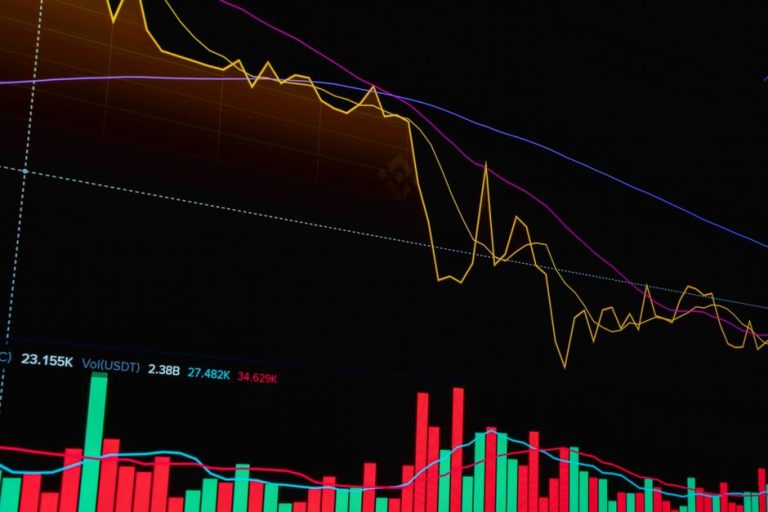
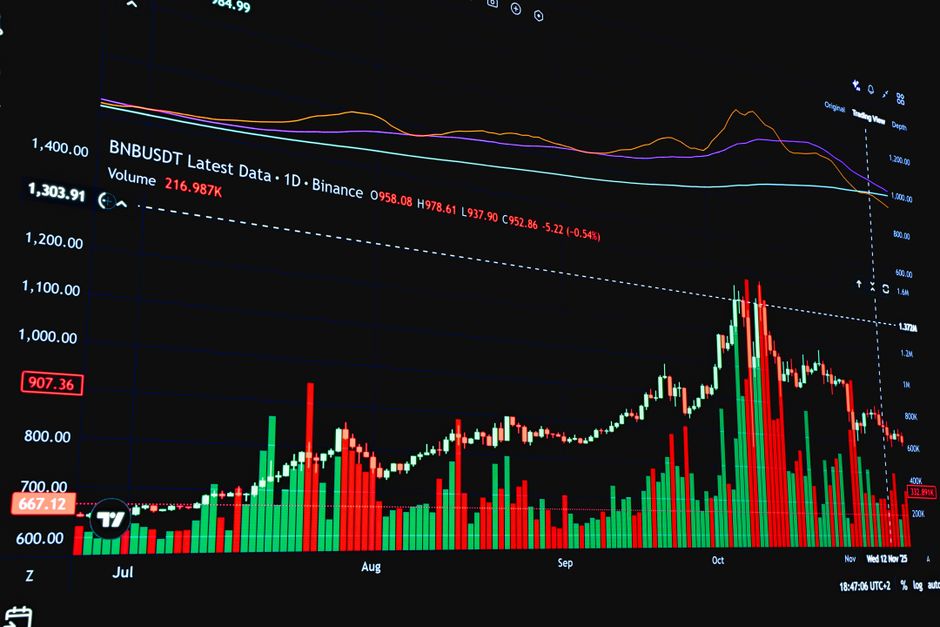
On the chart, the 50‑day moving average sits just above the current price, hinting at a potential upside bias. Volume has been light, which means any breakout could be swift. Traders watching the pair are also eyeing the upcoming Japanese economic data release; a surprise in that report could either reinforce the bounce or pull the yen back down.
Practical implications for personal finance
Understanding the yen exchange rate outlook isn’t just for forex nerds. It translates into concrete decisions you make with your paycheck, your travel plans, and your investment portfolio.
Savings and investments
If you hold a diversified portfolio that includes Japanese stocks or bonds, a stronger yen can boost the dollar value of those holdings. Imagine you own a mutual fund that tracks the Nikkei 225. A 2 % rise in the yen could add a similar percentage to your fund’s return, even if the underlying Japanese market is flat.
On the flip side, if you’ve stashed cash in a Japanese‑linked savings account, the yen’s appreciation means your dollars are effectively worth more when you convert back. That can be a quiet way to enhance your emergency fund without taking on extra risk.
Travel budgeting
Planning a trip to Japan? Your budgeting spreadsheet will feel the yen exchange rate outlook directly. A stronger yen means you’ll need more dollars to cover the same hotel night or train ticket. Conversely, if the yen weakens, your dollar stretches farther.
One practical tip: lock in exchange rates with a forward contract or a prepaid travel card when the yen is near a personal comfort zone. That shields you from sudden swings and lets you focus on the itinerary instead of the math.
Debt and borrowing
Some borrowers have taken advantage of low Japanese interest rates by issuing yen‑denominated debt. For a U.S. company, that strategy can lower financing costs—but it also adds currency risk. If the yen strengthens, the dollar cost of servicing that debt rises.
While most households aren’t issuing yen‑linked bonds, the principle applies to any foreign‑currency loan. If you ever consider a mortgage or personal loan in a non‑dollar currency, keep an eye on the yen exchange rate outlook as part of your risk assessment.
Strategies to hedge or benefit
There’s no one‑size‑fits‑all playbook, but a few approaches can help you manage exposure.
- Use currency‑exchange apps that let you set alerts for favorable yen rates; this way you can act quickly when the market moves.
- Consider a small allocation to a Japan‑focused exchange‑traded fund (ETF). Even a modest 5 % position can capture upside if the yen continues its climb.
- If you travel frequently, purchase a multi‑currency prepaid card and load it when the yen is near a level you’re comfortable with.
What to watch going forward
The next Fed meeting is a calendar event that will dominate headlines. A clear decision to hold rates steady could reinforce the yen’s recent gains. A surprise hike, however, would likely reverse the trend.
Beyond the Fed, keep tabs on Japan’s own monetary policy. The Bank of Japan has signaled a willingness to maintain ultra‑easy conditions, but any shift toward tightening would add another layer of complexity.
Finally, global risk sentiment matters. In times of heightened uncertainty, investors often flock to safe‑haven assets, and the yen benefits. When confidence returns, the dollar usually reasserts dominance.
Takeaway: actionable steps for your finances
1. Review any Japan‑linked investments you hold. If the yen exchange rate outlook looks bullish, you may want to let those positions run a bit longer.
2. If a Japan trip is on the horizon, compare the current rate with your historical average. A forward contract can lock in a rate that protects you from a sudden yen surge.
3. Set up price‑alert notifications on a reputable currency‑exchange platform. A small notification can prevent a costly surprise.
4. Stay informed about the Fed’s policy calendar. A delay in a Fed rate hike is the catalyst behind the yen’s recent bounce, and future decisions will keep shaping the exchange rate outlook.
By treating the yen exchange rate outlook as a factor in your personal finance plan, you turn a global macro story into a concrete advantage. The market may be volatile, but your response can be deliberate.